Play Therapy
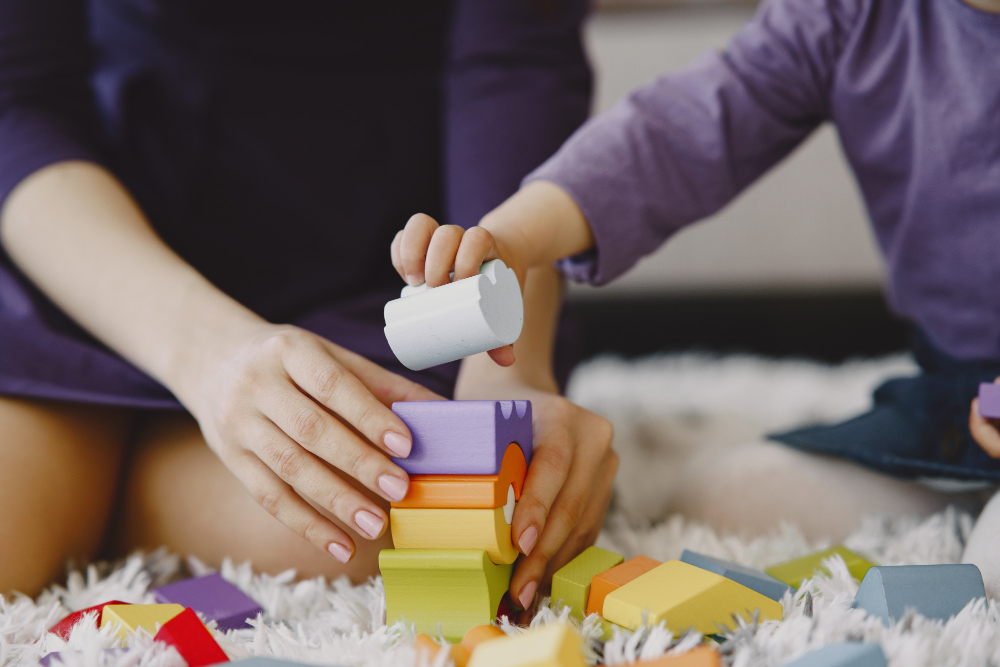
Play Therapy is the way children naturally express themselves. Symbolic and free play is a child’s language. This therapeutic method allows children to process emotions, trauma, and their inner world—things they cannot express with words—in a safe environment through play. It is a powerful method that can be applied in both individual and group formats.
Book a Consultation:
Play Therapy Focus Areas and Benefits
Play Therapy centers on the child’s developmental steps and relational needs. The core benefits of therapy include:
Emotional Expression and Processing: Processing challenging emotional and behavioral difficulties and traumatic experiences through symbolic play.
Self-Regulation and Problem-Solving: Supporting self-regulation skills and strengthening problem-solving abilities through play-based interactions.
Developmental Support: Fostering progress in joint attention, reciprocity, and developmental milestones.
Social Communication: Coping with challenges during separation, loss, and divorce processes, and addressing social communication difficulties.
Autism Spectrum: Providing structured play therapy sessions for children on the Autism spectrum.
Core Approaches Utilized
Play Therapy is often integrated with the Floortime (DIR) approach. Floortime progresses with play-based interactions , focusing on the child’s individual differences and relational needs.